
oil field chemicals
Oil Field Chemicals in Abu Dhabi: The Complete Guide for UAE Oil & Gas Operations
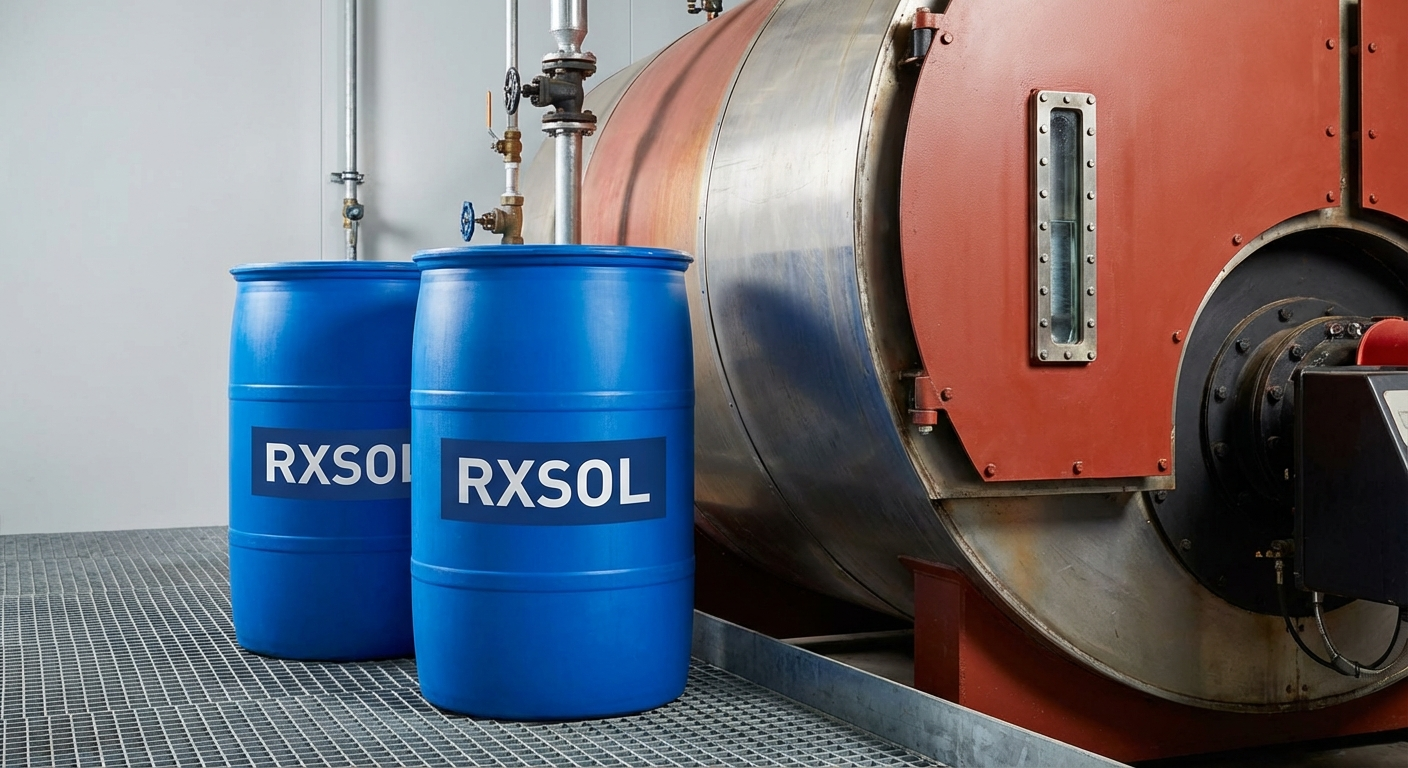
Abu Dhabi sits on nearly 92% of the UAE's proven oil reserves — making it the undisputed capital of the Gulf's upstream and downstream energy sector. Behind every barrel produced, refined, and exported lies a sophisticated arsenal of oil field chemicals that protect assets, optimise recovery, and keep operations running around the clock.
Whether you are a procurement engineer at an ADNOC subsidiary, an oilfield services contractor, or a facility manager overseeing production infrastructure, choosing the right chemical solutions is a critical business decision. This guide covers everything you need to know about oil field chemicals in Abu Dhabi — from product categories and applications to quality standards and supplier selection.
What Are Oil Field Chemicals?
Oil field chemicals (also referred to as oilfield production chemicals or petroleum chemicals) are specialty formulations applied at various stages of the upstream and downstream oil and gas value chain. They serve several essential functions:
- Enhancing oil and gas recovery from reservoirs
- Protecting infrastructure against corrosion, scale, and biological fouling
- Optimising drilling and completion operations
- Treating produced water before re-injection or discharge
- Reducing downtime and extending the operational lifespan of equipment
In a high-temperature, high-salinity environment like Abu Dhabi's oilfields — whether onshore in the Al Dhafra region or offshore in the Arabian Gulf — the performance of these chemicals directly impacts production efficiency and asset integrity.
Key Categories of Oil Field Chemicals
1. Drilling Fluid Chemicals
Drilling fluids (or drilling muds) are the backbone of well construction. The chemicals used to formulate and condition these fluids are critical for wellbore stability, cuttings transport, and pressure control.
Common drilling fluid chemicals include:
- Viscosifiers (e.g., xanthan gum, bentonite) — maintain mud viscosity and carry cuttings to the surface
- Fluid loss control agents (e.g., starch, CMC) — prevent excessive filtration into the formation
- Lubricants — reduce torque and drag in directional and horizontal wells
- Weighting agents (e.g., barite, calcium carbonate) — control hydrostatic pressure
- Shale inhibitors (e.g., potassium chloride, polyamines) — prevent clay swelling in sensitive formations
- Defoamers — eliminate foam that impairs mud properties
In Abu Dhabi's deep carbonate reservoirs, such as those in the Bab and Bu Hasa fields, high-density brine-based fluids with carefully selected inhibitor packages are routinely used to manage formation pressures and preserve reservoir integrity.
2. Corrosion Inhibitors
Corrosion is one of the costliest threats to oil and gas infrastructure worldwide. In the UAE, the combination of CO₂, H₂S, high-salinity brine, and elevated temperatures creates an extremely aggressive corrosion environment across pipelines, tubing, flowlines, and process vessels.
Types of corrosion inhibitors used in oilfield applications:
| Type | Mechanism | Typical Application | |---|---|---| | Film-forming amines | Adsorb on metal surfaces to form a protective barrier | Pipelines, production tubing | | Phosphate esters | React with iron to form protective phosphate films | Water injection lines | | Imidazolines | Polar head group anchors to metal; hydrocarbon tail repels corrosive fluids | Multiphase flowlines | | Oxygen scavengers | Remove dissolved oxygen before it can cause pitting | Water injection systems |
Key performance criteria for Abu Dhabi conditions include thermal stability above 120°C, compatibility with produced water salinity exceeding 200,000 ppm TDS, and approval under ADNOC's In-Country Value (ICV) and HSE standards.
3. Scale Inhibitors
Scale deposition — particularly calcium carbonate (CaCO₃), barium sulphate (BaSO₄), and strontium sulphate (SrSO₄) — is a pervasive operational challenge in Abu Dhabi's mature oilfields. As reservoir pressures decline and water cut rises, incompatible water mixing and pressure drops cause mineral salts to precipitate inside tubing, wellbores, and surface equipment.
Consequences of untreated scale include:
- Reduced production rates due to restricted flow
- Pump failures and ESP downtime
- Heat exchanger fouling and process inefficiency
- Costly well interventions and downtime
Scale inhibitor chemistries commonly deployed include phosphonates, polyacrylates, and sulfonated copolymers. These can be applied via continuous injection into production flowlines, squeeze treatments directly into the wellbore formation, or downhole chemical injection mandrels for remote wells.
4. Enhanced Oil Recovery (EOR) Chemicals
With Abu Dhabi's major fields entering their mature phase, Enhanced Oil Recovery (EOR) has become a strategic priority for ADNOC. Chemical EOR methods can increase reservoir recovery factors significantly beyond what conventional waterflood achieves.
Primary EOR chemical categories:
- Surfactants — reduce interfacial tension between oil and water, mobilising trapped oil from rock pores
- Polymers (e.g., hydrolysed polyacrylamide, HPAM) — improve the viscosity of injected water to achieve better sweep efficiency
- Alkali agents — react with acidic crude components to generate in-situ surfactants
- ASP flooding (Alkali-Surfactant-Polymer) — combines all three for maximum recovery
Abu Dhabi's carbonate reservoirs, with their natural heterogeneity and fracture networks, require highly customised EOR chemical formulations tested under reservoir conditions. Pilot projects across ADNOC's onshore and offshore concessions have validated significant incremental recovery potential from chemical EOR.
5. Production Chemicals
Once hydrocarbons reach the surface, production chemicals are essential throughout separation, processing, and transportation.
Critical production chemicals include:
- Demulsifiers — break oil-water emulsions in separators, enabling cleaner crude export and efficient water disposal
- H₂S scavengers — neutralise toxic hydrogen sulphide gas in sour crude and gas streams, protecting personnel and equipment
- Paraffin/wax inhibitors — prevent wax deposition in crude oil pipelines and storage tanks, especially during cooler seasons
- Asphaltene inhibitors — stabilise asphaltene molecules in solution to avoid plugging of tubing and flowlines
- Biocides — eliminate sulphate-reducing bacteria (SRB) in water injection systems that cause microbiologically influenced corrosion (MIC)
- Antifoam agents — control foam in separators and gas processing trains
6. Water Treatment Chemicals for Oilfield Applications
Water management is a growing challenge as Abu Dhabi's mature fields produce increasing volumes of water alongside hydrocarbons. Effective produced water treatment is essential for:
- Meeting ADNOC and UAE federal environmental discharge standards
- Re-injection into reservoirs for pressure maintenance
- Reducing disposal costs and environmental liability
Oilfield water treatment chemicals include:
- Coagulants and flocculants (for suspended solids removal)
- Antiscalants (to prevent fouling in injection systems)
- Oxygen scavengers (to protect injection well casings and tubing)
- Biocides (to control bacterial populations in injection water)
Why Abu Dhabi's Oilfield Chemical Requirements Are Unique
Extreme Environment Conditions
Abu Dhabi's reservoirs and surface infrastructure operate under conditions that push standard chemical formulations to their limits:
- High reservoir temperatures (80°C–150°C+ in deep carbonate reservoirs)
- High salinity produced water (often >150,000 ppm total dissolved solids)
- CO₂ and H₂S co-production in sour gas and sour crude fields
- Extreme ambient temperatures and UV exposure for surface facilities
- Desert and offshore environments requiring robust HSE packaging standards
This means that off-the-shelf chemical solutions are rarely sufficient. Suppliers must offer technical service capability, laboratory testing, and field trial support to qualify products for ADNOC-operated assets.
ADNOC Compliance and ICV Requirements
Any chemical supplier targeting Abu Dhabi's oil and gas sector must be familiar with:
- ADNOC Approved Vendor List (AVL) requirements
- In-Country Value (ICV) programme, which rewards local manufacturing and workforce participation
- COSHH and MSDS documentation standards required for onsite chemical handling
- Environmental Impact Assessment protocols for chemical discharge or disposal
- ADIPEC standards and broader GCC regulatory expectations
Abu Dhabi Chemicals sources and supplies products that meet these stringent requirements, enabling clients to streamline their procurement, qualification, and compliance workflows.
How to Select the Right Oil Field Chemical Supplier in Abu Dhabi
With dozens of chemical trading companies operating in Mussafah, ICAD, and across the broader UAE market, supplier selection requires careful evaluation across several dimensions:
✅ Technical Expertise
Does the supplier have trained chemical engineers who understand reservoir conditions, fluid chemistry, and operational constraints? Can they provide laboratory analysis, field dosage recommendations, and troubleshooting support?
✅ Product Range and Availability
A comprehensive product portfolio — covering drilling, production, EOR, and water treatment chemicals — simplifies procurement and ensures chemical compatibility across different applications. Local stocking reduces lead times and supply disruption risk.
✅ Quality Assurance and Certification
Look for suppliers operating under ISO 9001:2015 quality management systems. All products should be supplied with full technical data sheets (TDS), safety data sheets (SDS/MSDS), and certificates of analysis (COA) from accredited laboratories.
✅ Logistics and Supply Chain Reliability
For operational continuity, your supplier should have robust logistics capability — including bonded warehousing, hazardous goods transport compliance, and the ability to meet urgent delivery requirements to remote field locations or offshore platforms.
✅ Environmental and HSE Standards
Sustainable sourcing and environmentally responsible formulations are increasingly important to ADNOC and the UAE government's Net Zero 2050 ambitions. Ask suppliers about biodegradability, aquatic toxicity data, and low-VOC formulations where applicable.
Abu Dhabi Chemicals: Your Trusted Oil Field Chemical Partner in the UAE
At Abu Dhabi Chemicals (abudhabichemicals.com), we specialise in supplying high-performance oil field chemicals to the UAE's upstream and downstream oil and gas sector. Our product portfolio spans:
- Drilling and completion fluid chemicals
- Corrosion and scale inhibitors
- EOR surfactants and polymers
- Production and process chemicals
- Oilfield water treatment chemicals
We maintain strategic stocks within Abu Dhabi's key industrial zones to ensure fast, reliable delivery to onshore fields, offshore platforms, and pipeline operations. Our technical team works closely with clients to identify the optimum chemical programme for each asset — reducing chemical spend, minimising operational disruptions, and supporting ADNOC ICV compliance.
Frequently Asked Questions (FAQs)
What are the most commonly used oil field chemicals in Abu Dhabi?
The most widely used oilfield chemicals in Abu Dhabi include corrosion inhibitors, scale inhibitors, drilling fluid additives (viscosifiers and fluid loss agents), demulsifiers, biocides, and EOR chemicals such as surfactants and polymers.
How do I qualify oil field chemicals for ADNOC projects?
Qualification typically involves submission of technical data, laboratory testing under simulated reservoir conditions, field trials, and review by ADNOC's engineering and HSE teams. Working with a supplier already familiar with ADNOC's AVL process significantly accelerates approval timelines.
What is the difference between a corrosion inhibitor and a scale inhibitor?
A corrosion inhibitor protects metal surfaces from electrochemical attack by corrosive species such as CO₂, H₂S, oxygen, or acids. A scale inhibitor prevents the precipitation and deposition of inorganic mineral salts (such as calcium carbonate or barium sulphate) from produced water as pressure and temperature change.
Can EOR chemicals increase production in mature Abu Dhabi fields?
Yes. Chemical EOR methods — particularly surfactant flooding, polymer flooding, and ASP flooding — have demonstrated significant incremental oil recovery in carbonate reservoirs similar to those found in Abu Dhabi. The effectiveness depends on reservoir characterisation, fluid compatibility testing, and proper chemical dosage design.
Where can I source oil field chemicals in Abu Dhabi?
Abu Dhabi Chemicals stocks and supplies a full range of oilfield chemicals from our warehouse facilities in Abu Dhabi, serving clients across the UAE and wider GCC region. Contact us at abudhabichemicals.com for product availability and technical consultation.
Conclusion
Oil field chemicals are not a commodity — they are engineered solutions that directly influence the profitability, safety, and sustainability of Abu Dhabi's most important industry. Selecting the right chemical supplier means choosing a partner with deep technical knowledge, a proven track record in ADNOC-aligned operations, and the supply chain infrastructure to deliver consistently.
As Abu Dhabi continues to expand its upstream capacity and pursue ambitious EOR programmes, the demand for high-performance, locally-available oil field chemicals will only grow. Abu Dhabi Chemicals is here to meet that demand — with expert guidance, quality products, and responsive service.
📞 Ready to optimise your oilfield chemical programme? Contact the team at Abu Dhabi Chemicals today for a technical consultation and product quotation.
Tags: oil field chemicals Abu Dhabi | oilfield chemicals UAE | drilling chemicals UAE | corrosion inhibitors oilfield | scale inhibitors UAE | EOR chemicals Abu Dhabi | ADNOC approved chemicals | production chemicals supplier UAE | Mussafah chemical supplier
Related Solutions & Products
Need Technical Assistance?
Contact our team with your application and product requirements. Request the current supplier specifications and safety documentation before ordering.